 Cart is empty


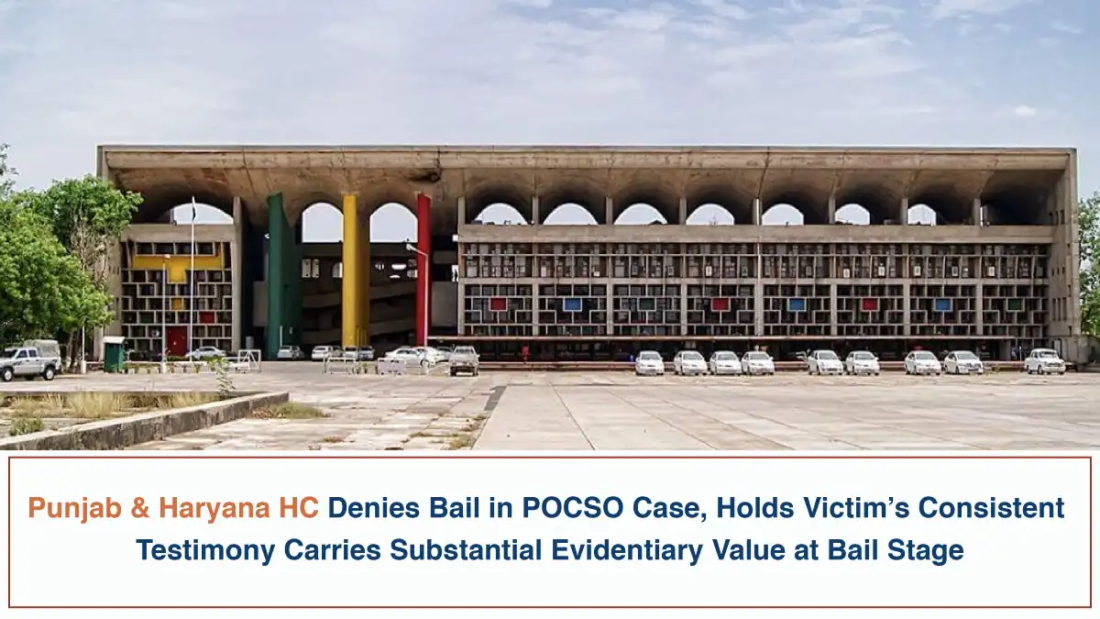
Case Name: Diljit Singh @ Diljeet Singh v. State of Punjab
Factual Background
The Punjab and Haryana High Court considered a petition under Section 482 of the Bharatiya Nagarik Suraksha Sanhita, 2023 seeking regular bail in FIR No. 22 dated 16 February 2025, registered at Police Station Banur, District Patiala, for offences under Section 6 of the Protection of Children from Sexual Offences Act, 2012 (POCSO Act) and Sections 127(2) and 351(2) of the Bharatiya Nyaya Sanhita, 2023. The prosecution alleged that the petitioner had enticed a minor child to a secluded place on a false pretext and thereafter committed sexual assault. The victim was allegedly threatened with dire consequences if the incident was disclosed, resulting in a period of silence before disclosure to the complainant and registration of the FIR. During investigation, the victim was medically examined, and his statement was recorded before the competent authority. The challan was presented on 5 May 2025. At the bail stage, 14 of 25 prosecution witnesses were examined, including the victim, complainant and medical witnesses.
Court’s Analysis
The petitioner contended that he had been falsely implicated and that the medical evidence did not reflect penetrative assault or corroborate the allegations. He also relied on the completion of investigation, filing of the challan and examination of 14 witnesses to submit that continued custody was unnecessary. The State opposed bail on the ground that the allegations were grave, the victim was a minor, the petitioner was specifically named in the FIR and his role remained consistent throughout the investigation. The Court emphasised that cases involving sexual violence against children require particular care and caution because of their potential physical, emotional and developmental consequences. A significant factor was that the victim had already been examined before the trial Court and had supported the prosecution case, specifically attributing the alleged offence to the petitioner and remaining consistent regarding the manner of occurrence. The Court held that the victim’s testimony constituted substantive evidence and carried substantial evidentiary value at the bail stage. The argument concerning absence of penetrative assault and the effect of medical evidence required detailed appreciation during trial and could not be made the sole basis for granting bail. Considering the nature of the allegations, the victim’s age, the specific role attributed to the petitioner and the supporting testimony, the Court found prima facie involvement.
Order of the Court
The High Court held that the allegations were grave and that the victim’s statement further corroborated the prosecution case at this stage. It concluded that the petitioner did not deserve the concession of regular bail and dismissed the petition as devoid of merit. The Court clarified that the observations and submissions recorded in the order would not affect the merits of the case and that the trial Court and investigating agency should proceed in accordance with law without being influenced by the order. Pending applications, if any, also stood disposed of.
Key Takeaway
At the stage of regular bail in a POCSO prosecution, consistent testimony of a minor victim may carry substantial weight, particularly where the victim has already testified before the trial Court and supports the prosecution case. The absence of medical evidence indicating penetrative assault does not, by itself, justify bail where the allegations are grave and the victim’s testimony prima facie attributes the offence to the accused. The ultimate effect of medical evidence is a matter for detailed appreciation at trial. The decision also reiterates the need for heightened judicial caution while dealing with allegations of sexual violence against children.
Written by Adv. K. Sri Hamsa