 Cart is empty

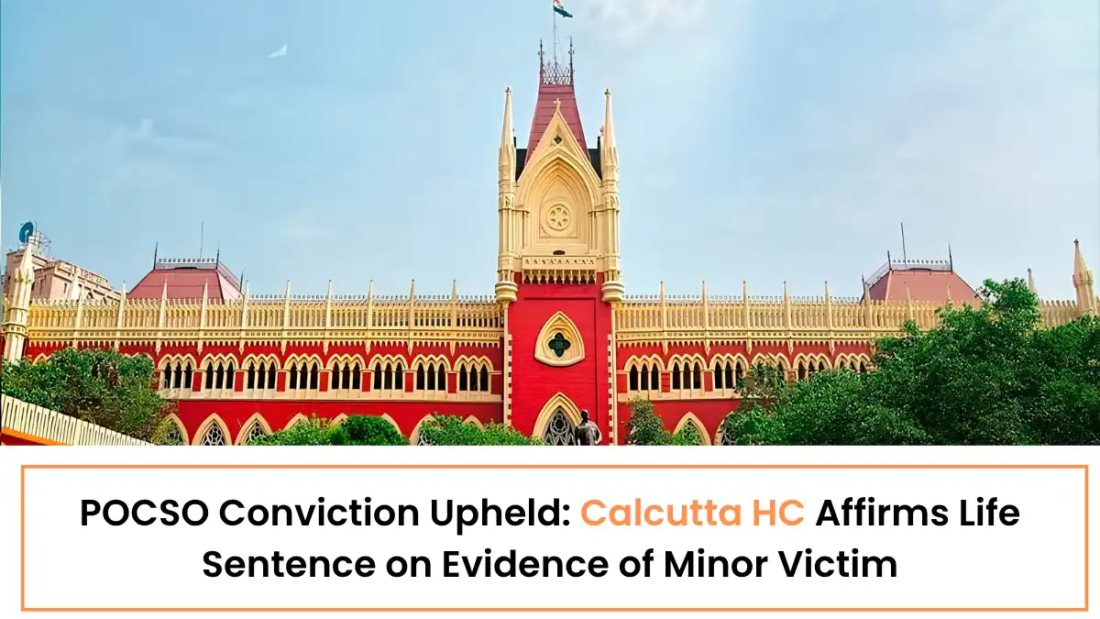
Case Name: Jiwan Rai v. State of West Bengal
Factual Background
The appellant, Jiwan Rai, was convicted by the Special Court (POCSO), Kalimpong, under Section 6 of the Protection of Children from Sexual Offences Act, 2012, and sentenced to rigorous imprisonment for life, meaning imprisonment for the remainder of his natural life, along with a fine of ₹1 lakh. The prosecution case arose from a complaint lodged by the victim’s maternal uncle after the minor girl disclosed that her father had repeatedly subjected her to penetrative sexual assault. The assaults allegedly occurred when she was around 15 years old and resulted in pregnancy. The victim subsequently gave birth to a male child.
The principal defence challenges concerned the victim’s age, absence of DNA profiling, delayed disclosure, the reliability of the victim’s testimony, and alleged deficiencies in investigation. The prosecution relied upon the victim’s testimony, the evidence of her maternal uncle and aunt, a birth certificate, medical evidence, and the victim’s statement recorded under Section 164 CrPC. The birth certificate recorded the victim’s date of birth as 22 December 2002. The examining doctor also assessed her age at approximately 15 years and found that she was around 24 weeks pregnant.
Court’s Analysis
The Court first considered whether the prosecution had established that the victim was below 18 years of age. It held that a separate medical or ossification test was not indispensable where reliable documentary and oral evidence otherwise established minority. The contemporaneous birth certificate issued by the Gram Panchayat was not challenged by the defence as fabricated or incorrect. It was corroborated by the victim’s own evidence and by the doctor’s assessment. The Court therefore found that the victim’s minority had been satisfactorily established.
On the evidentiary value of the victim’s testimony, the Court found PW2’s account clear, consistent and substantially unshaken in cross-examination. Her explanation for delayed disclosure was considered in the context of the alleged physical assault and threats by her
father. The Court held that the absence of an immediate outcry could not be assessed in isolation, particularly where the alleged perpetrator was a parent.
The Court also rejected the argument that absence of DNA profiling was fatal. Relying upon Sunil v. State of M.P., (2017) 4 SCC 393, it held that non-conduct of DNA testing does not automatically undermine the prosecution when other reliable evidence establishes the offence. The Court must assess the cumulative probative value of the evidence available.
Finally, the Court held that once the prosecution established the foundational facts, Section 29 POCSO operated as a statutory presumption. The prosecution had discharged its initial burden through the victim’s testimony and corroborative evidence, while the appellant failed to provide a plausible rebuttal.
Order of the Court
The High Court dismissed the appeal and affirmed the conviction and sentence imposed by the Trial Court. It additionally took serious note of the disclosure of the minor victim’s identity in the trial proceedings and judgment and directed the Trial Court to ensure strict confidentiality and non-disclosure of identifying particulars in future cases involving child sexual offences.
Key Takeaway
The judgment reiterates that minority under POCSO can be established through reliable documentary and oral evidence without an obligatory medical age-determination test. It further confirms that absence of DNA evidence is not, by itself, fatal to a prosecution where the victim’s testimony is credible and corroborated by surrounding evidence. Once the foundational facts are proved, the statutory presumption under Section 29 may operate against the accused. The decision also reinforces the mandatory protection of the identity and privacy of child victims throughout judicial proceedings.
Written by Adv. K. Sri Hamsa